Saturday, 30 April 2016


 30‭ ‬April‭ ‬1916:‭ ‬The Rising in Dublin fizzled out on this day

Sniping had continued overnight as the Rising came to an end.‭ ‬The captured insurgents who were held outside the Rotunda over the night were marched off to Richmond Barracks,‭ ‬Inchicore.‭ ‬Here they were screened and questioned by detectives of the DMO‭ ‘‬G‭’ ‬Division under military supervision.


In his Prison Cell Padraig Pearse wrote out a brief note reiterating his instructions of the previous day that was forwarded on to the Republican Garrisons that still held out:

In order to prevent further slaughter of the civil population and in the hope of saving the lives of our followers,‭ ‬the members of the Provisional Government present at headquarters have decided on an unconditional surrender,‭ ‬and commandants or officers commanding districts will order their commands to lay down arms.‭ ‬
P.H.‭ ‬Pearse.‭ ‬Dublin‭ ‬30th April‭ ‬1916.


This brought about the surrender of the various outlying Insurgent positions as orders were brought to them to lay down their arms.‭ However at first the various garrison Commanders refused to believe that the Rising was over and had deep suspicions that the messages brought to them were genuine. But by late afternoon it became apparent that the fighting had stopped and further confirmation arrived that the messages were indeed genuine.


By last light that day the Rising in Dublin was effectively over.


The cost had been high, some 485 people were dead and over 2,500 wounded. The centre of the City of Dublin was in ruins and the financial cost ran into the millions. It estimated that about half the casualties of Easter Week were innocent civilians. Nothing would ever be the same again after the most seminal event in modern Irish History.




Friday, 29 April 2016


29‭ ‬April‭ ‬1916:‭ Padraig Pearse decided to cease fighting on this day. ‬Nurse Elizabeth O’Farrell was allowed into the British lines carrying an offer to lay down arms. General Lowe offered only Unconditional Surrender and at‭ ‬3.30‭ ‬pm that afternoon Pearse agreed and handed over his sword to the General in token of the acceptance of terms.‭

It was about‭ ‬3.30‭ ‬pm when General Lowe received Commandant Pearse at the top of Moore Street,‭ ‬in Parnell Street.‭ ‬One of the officers that had been a prisoner in the GPO was asked to identify Pearse and he could not‭ ‬-‭ ‬he said he did not see him in the GPO.‭ ‬He asked Commandant Pearse was he in the GPO,‭ ‬and he said he was‭ ‬-‭ ‬the officer said:‭ '‬I did not see you there‭'‬.‭ ‬Commandant Pearse then handed his sword to General Lowe.‭"

Nurse Farrell

After meeting General Maxwell at British Army HQ at Parkgate St beside the Phoenix Park orders were sent out by Pearse to the various Republican garrisons still holding out to lay down their arms and surrender:

In order to prevent the further slaughter of Dublin citizens,‭ ‬and in the hope of saving the lives of our followers now surrounded and hopelessly outnumbered,‭ ‬members of the Provisional Government present at headquarters have agreed to an unconditional surrender,‭ ‬and the commandants of the various districts in the city and county will order their commands to lay down their arms.‭ (‬Signed‭) ‬P.H.‭ ‬Pearse,‭ ‬29‭ ‬April,‭ ‬1916,‭ ‬3.45‭ ‬pm

James Connolly also countersigned the surrender order,‭ ‬but only for men under his command in Moore Street and the St Stephen's Green area.‭

Commandant Ned Daly was allowed to lead a march of his men from the Four Courts to the surrender point at the Gresham Hotel in Upper O’Connell St.‭

One of the prisoners from Moore St recalled:

We filed out onto Moore Street and were lined up into fours and were marched up O'Connell Street and formed into two lines on each side of the street.‭ ‬We marched up to the front and left all our arms and ammunition and then went back to our original places.‭ ‬Officers with notebooks then came along and took down our names‭…

JOSEPH SWEENEY

That night the Insurgents who surrendered were held under armed guard on open ground beside the Rotunda at the top of O’Connell St.


We were ordered to dump as much stuff as we could in the houses…We laid down arms between the Gresham and Parnell Monument.‭ ‬I don't remember any white flag.‭ ‬We were herded into the Rotunda Gardens,‭ ‬in a patch of grass in front.‭ ‬We were lying on top of one another.‭ ‬I was quite near Collins and Joe Plunkett.‭ ‬I remember the British officer threatening to shoot the whole lot of us,‭ ‬and Collins saying to this officer,‭ '‬This is a very sick man‭; ‬will you leave him alone‭' ‬-‭ ‬or words to that effect.‭ ‬He was,‭ ‬of course,‭ ‬referring to Joe Plunkett.

Eamon Bulfin

Pearse’s surrender that day in Dublin was by a twist of fate one that to the day matched with a far greater surrender of soldiers to their enemies. Far away on the plains of Mesopotamia a British Army under Major General Townsend was forced to surrender to the Turks after a four month siege in the town of Kut on the banks of the Tigris river. Some 13,500 British and Indian troops were taken prisoner, many of whom were to die in captivity. It was Britain’s greatest military defeat of the War.


Thursday, 28 April 2016


28‭ ‬April‭ ‬1916:‭ ‬The Insurrection continued in Dublin on this day.

General Sir John Maxwell arrived by boat from England.‭ ‬He came with orders to crush the Rising by whatever means were necessary.‭ ‬He was previously the GOC Egypt and a veteran of Britain’s Colonial Wars.‭ ‬He had recently suppressed a revolt of the Senussi People in Western Desert.‭ ‬He issued a Proclamation:


The most vigorous measures will be taken by me to stop the loss of life and damage to property which certain misguided persons are causing in their armed resistance to the law.‭ ‬If necessary I shall not hesitate to destroy any buildings within any area occupied by the rebels and I warn all persons within the area specified below,‭ ‬and now surrounded by HM troops,‭ ‬forthwith to leave such area.

By Friday morning much of the GPO was on fire and sections of the roof were collapsing.‭ ‬It was obvious to the men inside that they would have to evacuate the building sooner or later.‭ ‬One plan being considered was to tunnel through to the adjoining buildings and join up with the Four Courts garrison.‭ ‬However,‭ ‬this was not possible because of the worsening military situation.‭ ‬The British now had most of the streets around the GPO well covered with snipers and machine guns.

At around‭ ‬8‭ ‬pm Padraig Pearse decided to evacuate the GPO,‭ ‬which was aflame and under constant bombardment.[above] ‬He decided‭ ‬to try to escape via Henry Street and establish a new headquarters somewhere near there.‭ ‬The narrow streets around Henry Street and Moore Street were filled with smoke from the burning buildings.‭ ‬There was a great deal of confusion.‭ ‬In addition,‭ ‬nobody was quite sure exactly what the exact locations of the British Army were.‭ ‬Several groups of garrison tried to make their way down Henry Street but came under heavy fire.‭ ‬One of the casualties was The O’Rahilly who had come to Liberty Hall on Easter Monday to join the Rising even though he had initially tried to stop it going ahead.‭

Elizabeth O'Farrell,‭ ‬had been one of only three women‭ (‬all members of Cumann na mBan‭) ‬left in the GPO after Pearse had ordered the others to leave that morning.‭ ‬She recalled‭

We left in three sections,‭ ‬I being in the last.‭ ‬Commandant Pearse was the last to leave the building.‭ ‬He went round to see that no one was left behind.‭ ‬We immediately preceded him,‭ ‬bullets raining from all quarters as we rushed to Moore Lane.

Eventually Pearse,‭ ‬Connolly,‭ ‬Plunkett,‭ ‬Clarke and MacDermott halted in a house at‭  ‬Moore Street,‭ ‬number‭ ‬16,‭ ‬where they planed to make their way through back streets to the Four Courts for a last stand.

However the British were not much the wiser of their opponents movements and continued to attack the GPO even after it was evacuated.

British troops killed up to a dozen innocent civilians on North King St in heavy fighting.‭ ‬At least some of these were killed in cold blood.‭ ‬But here only a handful of fighters remained and the British effectively controlled the area by nightfall.

In the north of County Dublin a Volunteer column under Thomas Ashe ambushed a convoy of RIC men.‭ ‬A running battle between members of the RIC and the insurgents took place,‭ ‬lasting‭ ‬five hours.‭ ‬The police casualties were heavy:‭ ‬the Meath‭ ‬County and District Inspectors,‭ ‬two sergeants and four‭ ‬constables were killed,‭ ‬and‭ ‬16‭ ‬constables wounded.‭ ‬Ashbourne barracks was captured but‭ ‬Volunteers Thomas Rafferty and John Crennigan lost their lives.

Wednesday, 27 April 2016


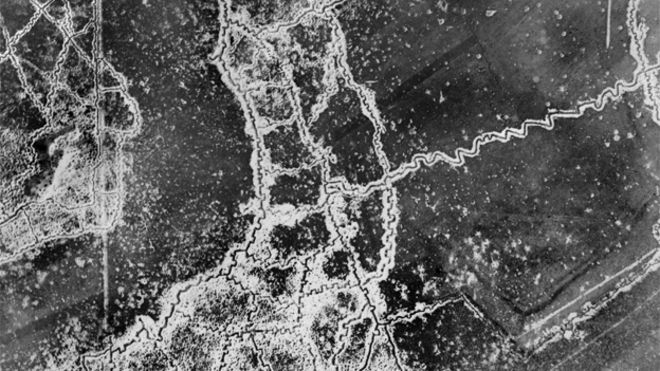
27 April 1916:  Irish soldiers gassed at Hulluch on this day. As fighting raged in Dublin troops from Ireland serving in the British Army suffered terrible casualties at a place called Hulluch in northern France. The little village is situated just north of the town of Lens in northern France in the pas de Calais region.

The troops were part of the 16th (Irish) Division of the British Army who were targeted by the II (Bavarian) Corps of the German Army to be subjected to a Gas attack. The Irish knew an attack was imminent but the question was when? Early in the morning of the 27th the Germans struck and the deadly concoction of Chlorine & Phosgene was released from over 3,000 gas cylinders hidden along the German front lines. This caused soldiers to choke to death or to be so incapacitated that they could not resist an enemy attack. For whatever reason, faulty respirators, or just being caught off guard the men of the 8th Royal Dublin Fusiliers suffered particularly badly that day. In two days the 8th Battalion lost 368 men from all causes out of 946 recorded as present at the battle.

An officer of the 7th Leinster regiment, Lieutenant Lyon, had the terrible task of gathering the dead. ‘They were in all sorts of tragic attitudes, some of them holding hands like children in the dark.’ He and his men found themselves pestered for the next few days by ‘half-poisoned rats by the hundred.’

The Chaplain to the Dublin Fusiliers (Father Willie Doyle) described the scenes after the attack in a letter home to his father:

Many men died before I could reach them and were gone before I could pass back. There they lay, scores of them (we lost 800, nearly all from gas) in the bottom of the trench, in every conceivable posture of human agony; the cloths torn off their bodies in a vain effort to breathe while from end to end of that valley of death came one long unceasing moan from the lips of brave men fighting and struggling for life.

Two days later the Germans struck again and this time the 7th Royal Inniskilling Fusiliers were the main target and they also suffered huge casualties. Out of 647 present they lost 263 most of them gassed. Ironically the wind then turned and the deadly cloud drifted back on the German lines and inflicted similar punishment on their own men.

The Official History of the War quotes casualties for this attack for 27th and 29th April, as 570 killed (232 from shelling, 338 from gas) and 1,410 wounded (488 from shelling, 922 from gas).

27‭ ‬April‭ ‬1916:‭ ‬The Insurrection continued in Dublin on this day.

The British commenced a bombardment of the GPO from close range.‭ ‬Buildings on the street were soon on fire and many were engulfed by the flames.‭ ‬.‭ ‬While supervising the erection of a barricade in a nearby street,‭ ‬James Connolly was wounded in the ankle and had to be helped back into the GPO.

Supplies in the City began to run short and many civilians became desperate for food.

‭"‬Thursday,‭ ‬April‭ ‬27th,‭ ‬after lunch‭ ‬-‭ ‬In the forenoon I was down at Morehampton Road shop.‭ ‬All there was normal but supplies somewhat limited.‭ ‬Afterwards down at Baggot St.‭ (‬Upper‭)‬.‭ ‬Many shops were closed and supplies in many were running out.‭ ‬No meat.‭ ‬Got the last Oxtongue and‭ ‬2‭ ‬Mutton Kidneys at Butchers,‭ ‬all meat commandeered by military.‭ ‬Carried home,‭ ‬2‭ ‬stone Potatoes and meat,‭ ‬everybody out carrying home their own stores.‭"
Alfred Fannin‭ ‬Letters from Dublin,‭ ‬Easter‭ ‬1916


In North King Street there was intense house to house fighting and armoured cars were used to back up the British assaults.‭ ‬Further up the river the Four Courts,‭ ‬held by Commandant Edward Daly and his men,‭ ‬came under attack from the British artillery.‭ ‬Over at the South Dublin Union Cathal Brugha was wounded in the continued fighting.

At about‭ ‬10‭ ‬pm that Thursday evening,‭ ‬an oil depot opposite the GPO exploded sending flames high into the night sky.

This night also was calm and beautiful,‭ ‬but this night was the most sinister and woeful of all those that have passed.‭ ‬The sound of artillery,‭ ‬of rifles,‭ ‬machine guns,‭ ‬grenades,‭ ‬did not cease for a moment.‭ ‬From my window I saw a red flare that crept to the sky,‭ ‬and stole over it and remained there glaring‭; ‬the smoke reached from the ground to the clouds,‭ ‬and I could see great red sparks go soaring to enormous heights‭; ‬while always,‭ ‬in the calm air,‭ ‬hour after hour there was the buzzing and rattling and thudding of guns,‭ ‬and,‭ ‬but for the guns,‭ ‬silence.

James Stephens‭ ‬The Insurrection in Dublin


Tuesday, 26 April 2016


26‭ ‬April‭ ‬1916:‭ ‬Field guns from Trinity College and the gunboat‭ ‬Helga on the River Liffey bombarded the Irish Citizen’s Army HQ at Liberty Hall and demolished it.‭ ‬Buildings in O’Connell St were also targeted and destroyed.‭ ‬The upper floor of the GPO was evacuated has the men there came under sustained attack from British snipers and guns.

Wednesday,‭ ‬April‭ ‬26th,‭ ‬9.30‭ ‬a.m.‭ ‬-‭ ‬While we were dressing a terrific bombardment with field guns began‭ ‬-‭ ‬the first we had heard‭ ‬-‭ ‬and gave me cold shivers.‭ ‬The sound seemed to come from the direction of the G.P.O.,‭ ‬and we concluded they were bombarding it.‭ ‬It went on for a quarter of an hour‭ ‬-‭ ‬awful‭! ‬big guns and machine-guns‭ ‬-‭ ‬and then ceased,‭ ‬but we hear they were bombarding Liberty Hall,‭ ‬the headquarters of Larkin and the strikers two years ago,‭ ‬and always a nest of sedition.‭ ‬It is now crammed with Sinn Feiners.‭ ‬The guns were on H.M.S.‭ ‬Helga,‭ ‬that came up the river and smashed it from within about three hundred yards.‭ ‬It made me feel quite sick.‭
 ‭
Mary Louisa Hamilton Norway‭ ‬The Sein Fein Rebellion as I saw it

The Battle of Mount Street Bridge:‭ ‬British soldiers from the Sherwood Foresters regiment came under fire from a handful of Republican positions as they approach the Bridge there as they made their way up‭  ‬Northumberland Rd.‭ ‬Despite repeated attempts they were driven back sustaining over‭ ‬200‭ ‬casualties.‭

They were raw troops just off the boat from England.‭ ‬While the Officers and men showed great bravery they were tactically naïve and constantly launched full frontal attacks that cut down scores of them at a time.‭ ‬The defenders of the Bridge put up an equally heroic resistance against overwhelming odds and managed to hold their positions.‭ 

 Eventually the British troops took Clanwilliam House by storm.‭ ‬Three of the twelve defenders were killed.‭ ‬The Insurgents were men drawn from the garrison at Boland’s Mill under the orders of Commandant Eamon De Valera.

British forces entered O’Connell St.‭ ‬and took up positions to cover the GPO and suppress the garrison within.‭ ‬A concentrated fire was opened on the GHQ of the Rising and the effects began to tell.

I was looking on O‭' ‬Connell Bridge and Sackville Street,‭ ‬and the house facing me was Kelly's‭ ‬-‭ ‬a red-brick fishing tackle shop,‭ ‬one half of which was on the Quay and the other half in Sackville Street.‭ ‬This house was being bombarded.‭
I counted the report of six different machine guns,‭ ‬which played on it.‭ ‬Rifles innumerable and from every sort of place were potting its windows,‭ ‬and at intervals of about half a minute the shells from a heavy gun lobbed in through its windows or thumped mightily against its walls.‭
For three hours that bombardment continued,‭ ‬and the walls stood in a cloud of red dust and smoke.‭ ‬Rifle and machine gun bullets pattered over every inch of it,‭ ‬and unfailingly the heavy gun pounded its shells through the windows.‭"‬

James Stephens‭ ‬The Insurrection in Dublin


Monday, 25 April 2016


25‭ ‬April‭ ‬1916:‭ ‬A statement was issued from the Insurgent HQ in the GPO Dublin on this day.

THE PROVISIONAL GOVERNMENT To The CITIZENS OF DUBLIN

The Provisional Government of the Irish Republic salutes the Citizens of Dublin on the momentous occasion of the proclamation of a SOVEREIGN INDEPENDENT IRISH STATE,‭ ‬now in course of being established by Irishmen in arms.

The Republican forces hold the lines taken up at twelve noon on Easter Monday,‭ ‬and nowhere,‭ ‬despite fierce and almost continuous attacks of the British troops,‭ ‬have the lines been broken through.‭ ‬The country is rising in answer to Dublin’s call,‭ ‬and the final achievement of Ireland’s freedom is now,‭ ‬with God’s help,‭ ‬only a matter of days.‭ ‬The valour,‭ ‬self-sacrifice and discipline of Irish men and women are about to win for our country a glorious place among the nations.

Ireland’s honour has already been redeemed‭; ‬it remains to vindicate her wisdom and her self-control.‭ ‬All citizens of Dublin who believe in the right of their country to be free will give their allegiance and their loyal help to the Irish Republic.‭ ‬There is work for everyone:‭ ‬for the men in the fighting line,‭ ‬and for the women in the provision of food and first aid.‭ ‬Every Irishman and Irishwoman worthy of the name will come forward to help their common country in this her supreme hour.‭ ‬Able-bodied citizens can help by building barricades in the streets to oppose the advance of the British troops.‭ ‬The British troops have been firing on our women and on our Red Cross.‭ ‬On the other hand,‭ ‬Irish Regiments in the British Army have refused to act against their fellow-countrymen.


The Provisional Government hopes that its supporters which means the vast bulk of the people of Dublin—will preserve order and self-restraint.‭ ‬Such looting as has already occurred has been done by hangers-on of the British Army.‭ ‬Ireland must keep her new honour unsmirched.‭ ‬We have lived to see an Irish Republic proclaimed.‭ ‬May we live to establish it firmly,‭ ‬and may our children and our children’s children enjoy the happiness and prosperity which freedom will bring.


Signed on behalf of the Provisional Government,‭ ‬P.‭ ‬H.‭ ‬PEARSE,


Commanding in Chief of the Forces of the Irish Republic,‭ ‬and President of the Provisional Government.

Meanwhile the British continued their preparations to crush the Rising.‭ ‬Lord French,‭ ‬the Commander of the British Army in Britain organised for an Expeditionary Force to be immediately despatched to Ireland.‭ ‬Within the Country General Lowe sent reinforcements from the Curragh to Dublin by train.‭ ‬More arrived from Belfast to bolster their positions.‭ ‬The General decided to seal off and isolate the various strongpoints and await further reinforcements.‭ ‬He established a tightening cordon in the outskirts of the City to stop any further support reaching the Volunteers and to guard against any breakout.

About‭ ‬100‭ ‬or so British soldiers seized the Shelbourne Hotel overlooking St Stephens Green and forced the Irish Citizen Army to withdraw under fire to the adjacent College of Surgeons.‭ ‬Commandant Daly who had seized the Linen Hall Barracks in north central Dublin set it alight to stop the British from using it as a base of attack.